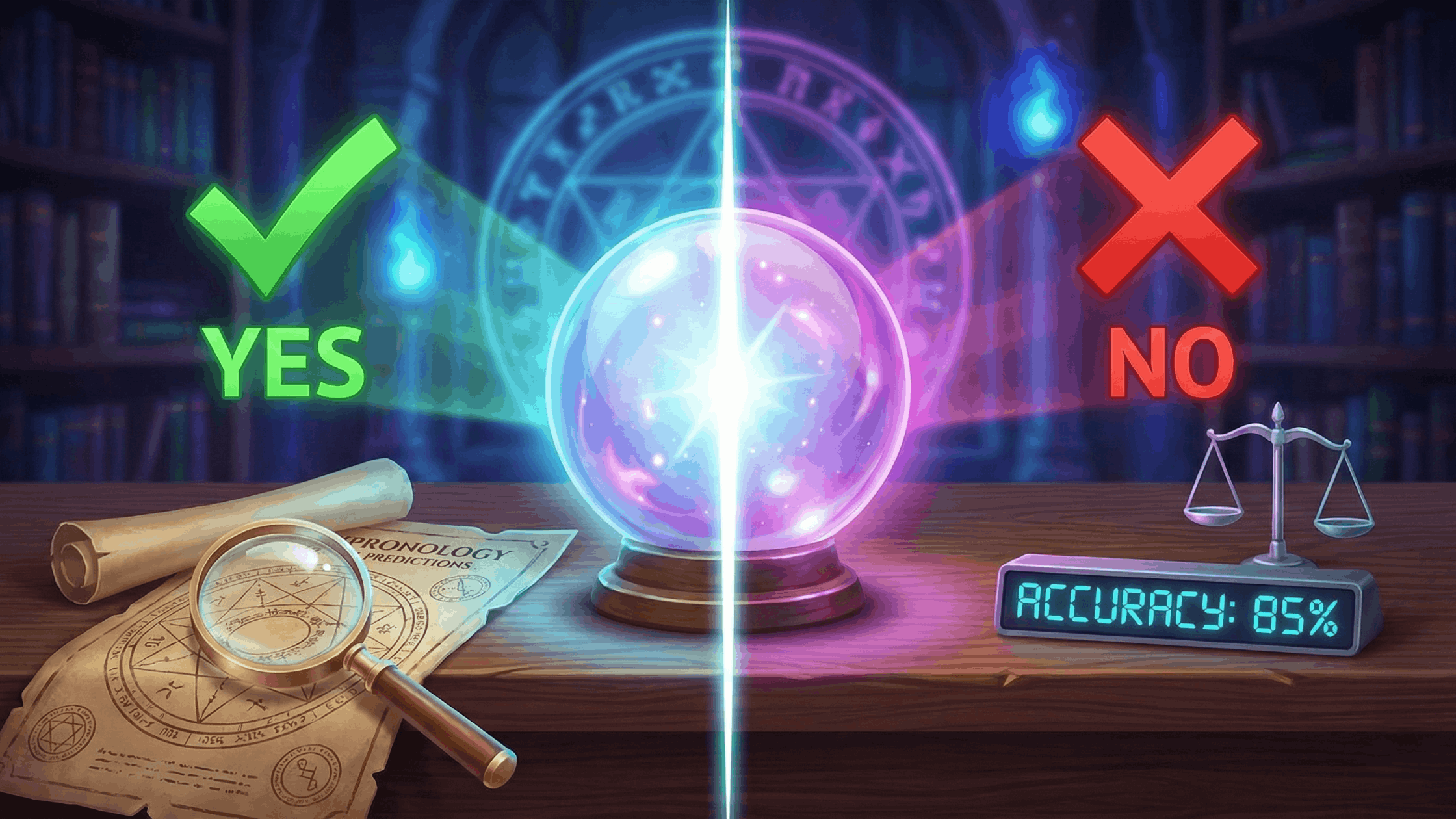
Yes/No prediction accuracy is one of the most discussed and debated concepts in the field of pronology. In its simplest form, it refers to how accurately a pronological method can answer binary questions—questions that can be resolved with a “yes” or a “no.” While the simplicity of such predictions makes them attractive, the deeper mechanics behind them are often misunderstood.
On platforms like Cosmo Gain, pronology is explored not as blind belief, but as a structured interpretive system that blends intuition, timing, psychology, and symbolic frameworks. This article explores how Yes/No prediction accuracy works, how it is evaluated, and how seekers can use it responsibly without falling into dependency or false certainty.
Understanding Pronology as a Predictive Category
Pronology is a broad category of predictive interpretation that focuses on extracting meaningful insights from symbolic systems, cycles, and intuitive reasoning. Unlike deterministic sciences, pronology does not claim absolute certainty. Instead, it operates within probability and perception.
What Makes Pronology Different from Astrology
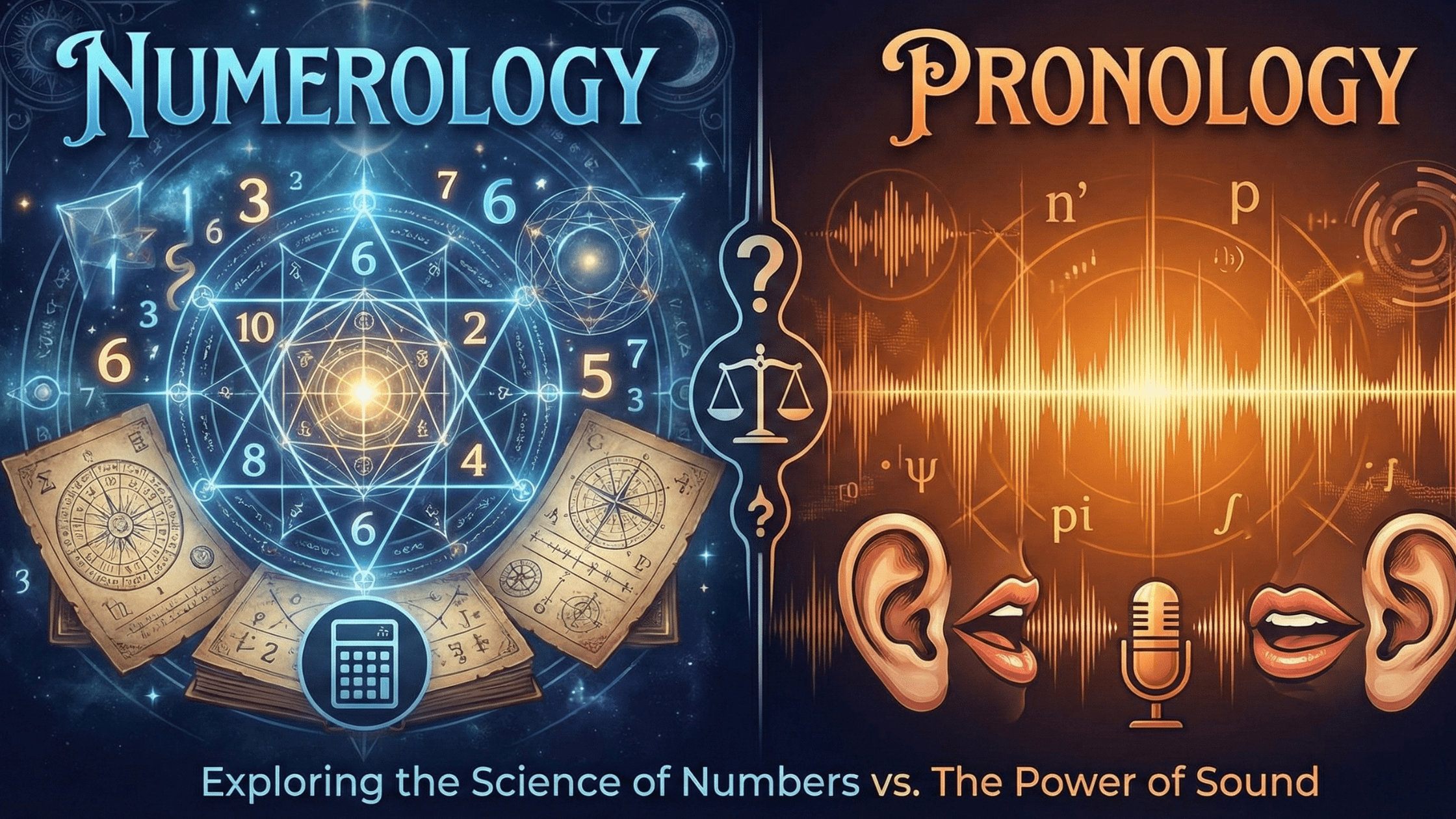
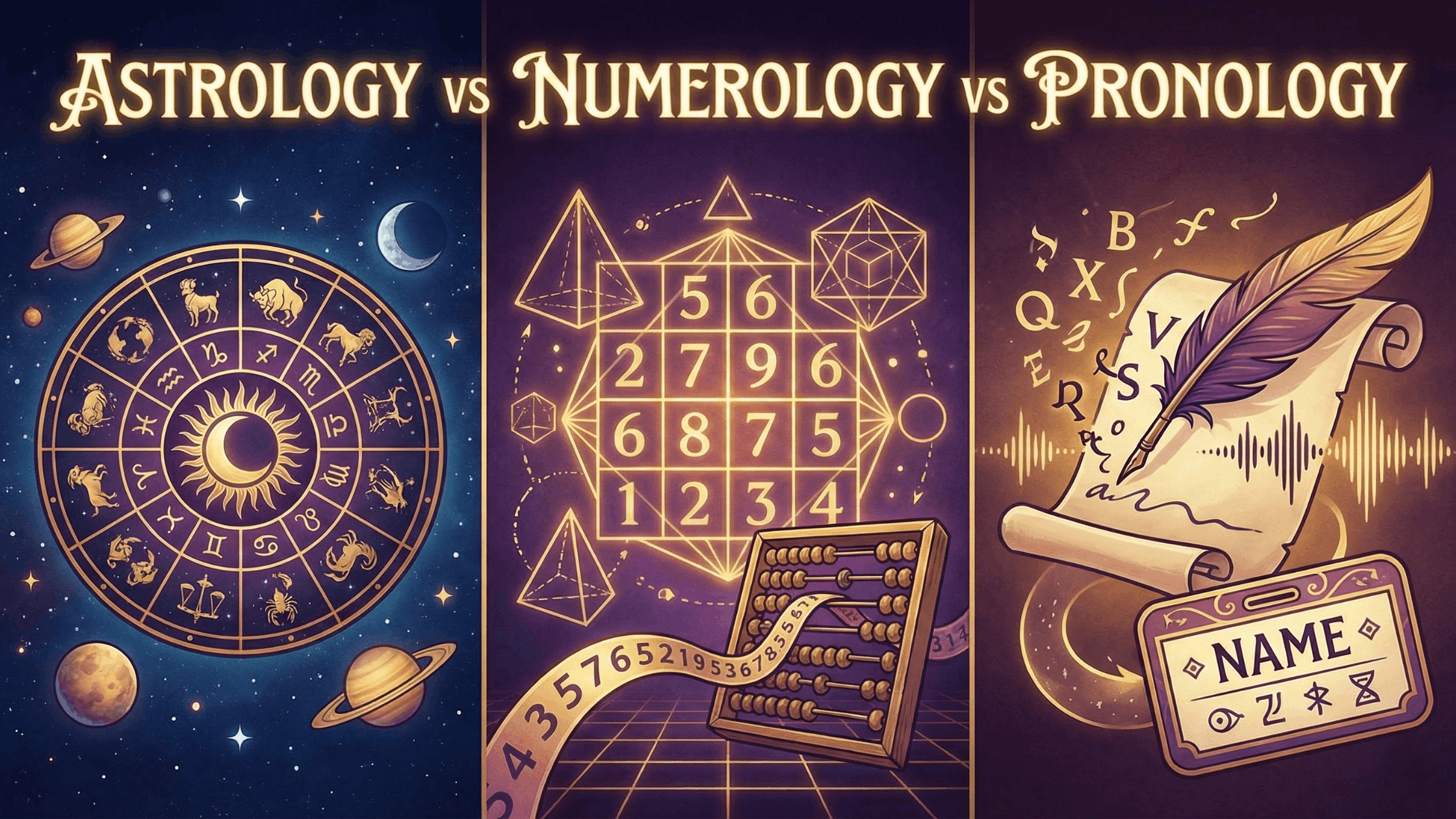
Astrology relies heavily on celestial positions and fixed charts, while pronology is more adaptive. Pronology often responds directly to the question asked, the moment it is asked, and the mental state of the seeker. This makes Yes/No prediction accuracy highly contextual rather than universally fixed.
The Role of Binary Predictions
Binary predictions simplify complex life questions into actionable answers. A clear “yes” or “no” can reduce anxiety and decision paralysis. However, the simplicity also introduces risk—especially if the user mistakes probability for certainty.
The Science and Psychology Behind Yes/No Predictions
Although pronology is not a hard science, its effectiveness intersects with well-documented psychological processes.
Human Pattern Recognition
The human brain is naturally wired to detect patterns. When predictions align with observed outcomes, confidence in accuracy increases. Over time, this reinforcement strengthens belief in Yes/No prediction accuracy, even when outcomes are partially coincidental.
Cognitive Bias and Belief Systems
Several cognitive biases influence perceived accuracy:
- Confirmation bias: Remembering correct predictions and forgetting incorrect ones
- Self-fulfilling prophecy: Acting in ways that make a prediction come true
- Authority bias: Trusting predictions because of the source’s perceived expertise
Understanding these biases is essential for responsible pronological practice.
How Yes/No prediction accuracy Is Measured
Accuracy in pronology is not measured the same way as in mathematics or physics. Instead, it relies on comparative outcomes and consistency.
Statistical Validation Methods
Some practitioners track predictions over time and compare outcomes against real-world results. If predictions consistently align above random chance (50%), accuracy is considered meaningful. However, sample size and question clarity play major roles.
Personal vs General Accuracy
One important insight is that Yes/No prediction accuracy often varies from person to person. A method that works well for one individual may perform poorly for another due to differences in intuition, belief alignment, and emotional state.
Factors That Influence Prediction Accuracy
Several variables can significantly affect outcomes.
Timing and Question Framing
Questions asked during emotional turmoil often yield less reliable results. Clear, neutral, and specific questions tend to improve accuracy. For example:
- Poor framing: “Will my life ever improve?”
- Better framing: “Is this job opportunity beneficial for me in the next six months?”
Emotional State of the Seeker
Fear, desperation, or obsession can distort interpretation. Calm and detached inquiry is widely considered essential for improving Yes/No prediction accuracy.
Common Methods Used in Yes/No Predictions
Pronology employs multiple approaches, each with its own strengths.
Intuitive Pronology
This method relies on inner perception, symbolic impressions, or immediate intuitive responses. Accuracy depends heavily on the practitioner’s experience and mental clarity.
Tool-Based Pronology (Charts, Numbers, Cycles)
Some systems use numerical cycles, symbolic charts, or probability frameworks to support intuition. These tools add structure and reduce random interpretation, often increasing consistency.
Practical Applications of Yes/No Predictions
When used responsibly, Yes/No predictions can offer meaningful guidance.
Career and Finance Decisions
Binary predictions can help assess timing:
- Is this a good time to change jobs?
- Should I delay this investment?
They are best used as supportive input—not as the sole decision-making factor.
Relationships and Personal Life
Relationship-related questions are common but emotionally charged. Ethical practitioners encourage seekers to combine predictions with communication, reflection, and personal responsibility.
Ethical Boundaries and Responsible Usage
Ethics are central to pronology. Over-reliance on predictions can reduce autonomy and critical thinking. On Cosmo Gain, responsible use is emphasized:
- Avoid repeated questioning
- Do not replace professional advice
- Respect free will and uncertainty
Yes/No prediction accuracy should empower, not control.
Limitations and Misconceptions
One major misconception is that high accuracy equals guaranteed outcomes. In reality:
- Predictions reflect probability, not destiny
- External factors can change outcomes
- Human choice always plays a role
Understanding these limits protects users from disappointment and dependency.
How to Improve Yes/No prediction accuracy
While perfection is impossible, accuracy can be refined:
- Ask clear, time-bound questions
- Maintain emotional neutrality
- Record outcomes to identify patterns
- Use predictions as guidance, not commands
With disciplined practice, users often notice improved consistency over time.
Frequently Asked Questions (FAQs)
1. Is Yes/No prediction accuracy always reliable?
No. It reflects probability, not certainty. Accuracy varies based on method and mindset.
2. Can beginners achieve high accuracy?
Yes, with practice, self-awareness, and ethical discipline.
3. How many times should I ask the same question?
Ideally once. Repeated questioning reduces clarity and reliability.
4. Does belief affect accuracy?
Yes. Belief alignment can significantly influence perception and interpretation.
5. Can predictions change over time?
Absolutely. Changes in circumstances and decisions alter outcomes.
6. Is Yes/No prediction accuracy scientifically proven?
It is not a hard science, but it aligns with psychological and probabilistic principles.
Conclusion and Final Thoughts
Yes/No prediction accuracy remains one of the most intriguing elements of pronology. Its power lies not in absolute certainty, but in focused clarity. When used wisely, it can reduce confusion, highlight timing, and support better decision-making.
Platforms like Cosmo Gain approach pronology with balance—combining intuition, structure, and ethical awareness. By respecting its limits and understanding its mechanics, seekers can benefit from Yes/No predictions without surrendering personal responsibility.