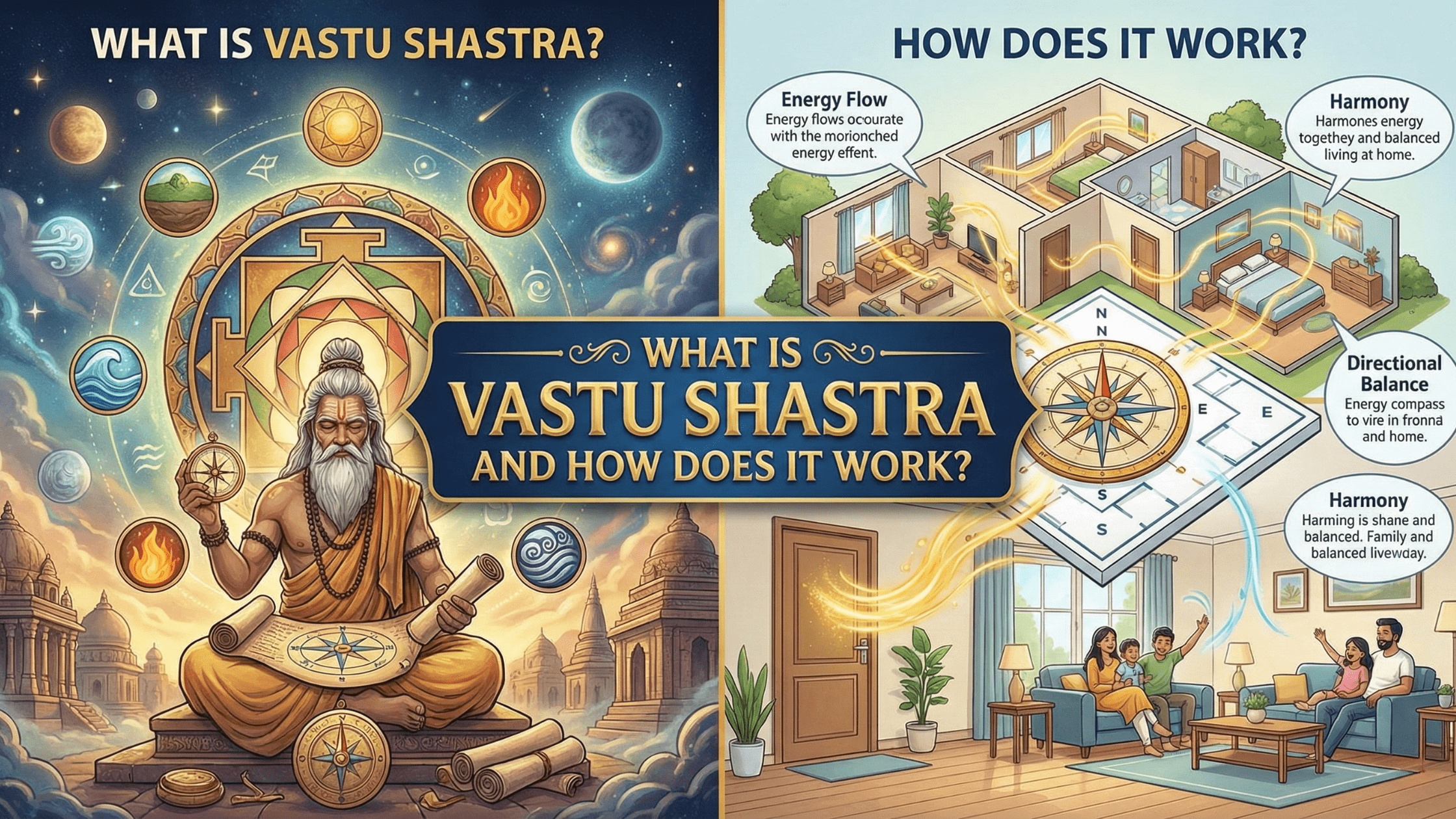
Introduction to Vastu Shastra
Have you ever walked into a room and instantly felt relaxed, while another space made you uncomfortable without any clear reason? That unseen difference is often attributed to the flow of energy within a space — and that’s exactly what Vastu Shastra is all about.
Vastu Shastra, often referred to as the science of architecture, is an ancient Indian system that harmonizes buildings and interiors with nature’s forces. It focuses on aligning physical spaces — like your home, office, or even an entire city — with the natural elements and universal energies that govern our lives.
The goal of Vastu Shastra isn’t just aesthetic beauty. It’s about creating an environment where energy flows smoothly, enhancing well-being, success, and peace. In a world dominated by modern architecture and fast-paced living, Vastu is being rediscovered as a timeless science that balances modern design with spiritual wisdom.
Origin and History of Vastu Shastra
Vastu Shastra in Ancient India
Vastu Shastra traces its roots back over 5,000 years to the Vedic civilization of ancient India. Derived from the Sanskrit words “Vastu” (dwelling) and “Shastra” (science or teaching), it was developed by sages who observed the powerful effects of natural forces — sunlight, wind, gravity, magnetic fields, and cosmic energy — on human life.
These scholars noticed patterns: certain directions brought prosperity, while others caused conflict or stagnation. Through generations of observation and application, they formulated the rules of Vastu, blending art, science, and spirituality.
Vastu wasn’t limited to homes — it was applied to the design of temples, forts, cities, and palaces. Ancient cities like Mohenjo-Daro, Harappa, and later, Jaipur, show evidence of planning that aligns closely with Vastu principles.
Connection with the Vedas and Architecture
Vastu Shastra is deeply intertwined with the Vedas, especially the Atharva Veda, which contains references to the cosmic balance between humans and their environment. It evolved alongside traditional Hindu temple architecture — every temple was designed to capture divine energy at its core, creating a powerful spiritual experience for devotees.
In essence, Vastu Shastra bridges science, spirituality, and geometry. The positioning of walls, doors, windows, and rooms wasn’t random; it followed a divine geometry intended to connect the human experience with cosmic energy.
What Is Vastu Shastra? (Simple Definition)
In the simplest terms, Vastu Shastra is a traditional Indian architectural system that guides the design, layout, and construction of buildings in harmony with nature’s elements — earth, water, fire, air, and space.
It’s not merely superstition; it’s a science that recognizes how energy interacts with physical spaces. A Vastu-compliant home or office aligns the physical structure with the subtle energies of the universe, enhancing the flow of positivity and minimizing disharmony.
Think of it as ancient energy design — creating buildings that “breathe” with nature.
How Does Vastu Shastra Work?
To truly understand how Vastu Shastra works, we need to explore its foundation — the energy-based principles that connect nature and human life.
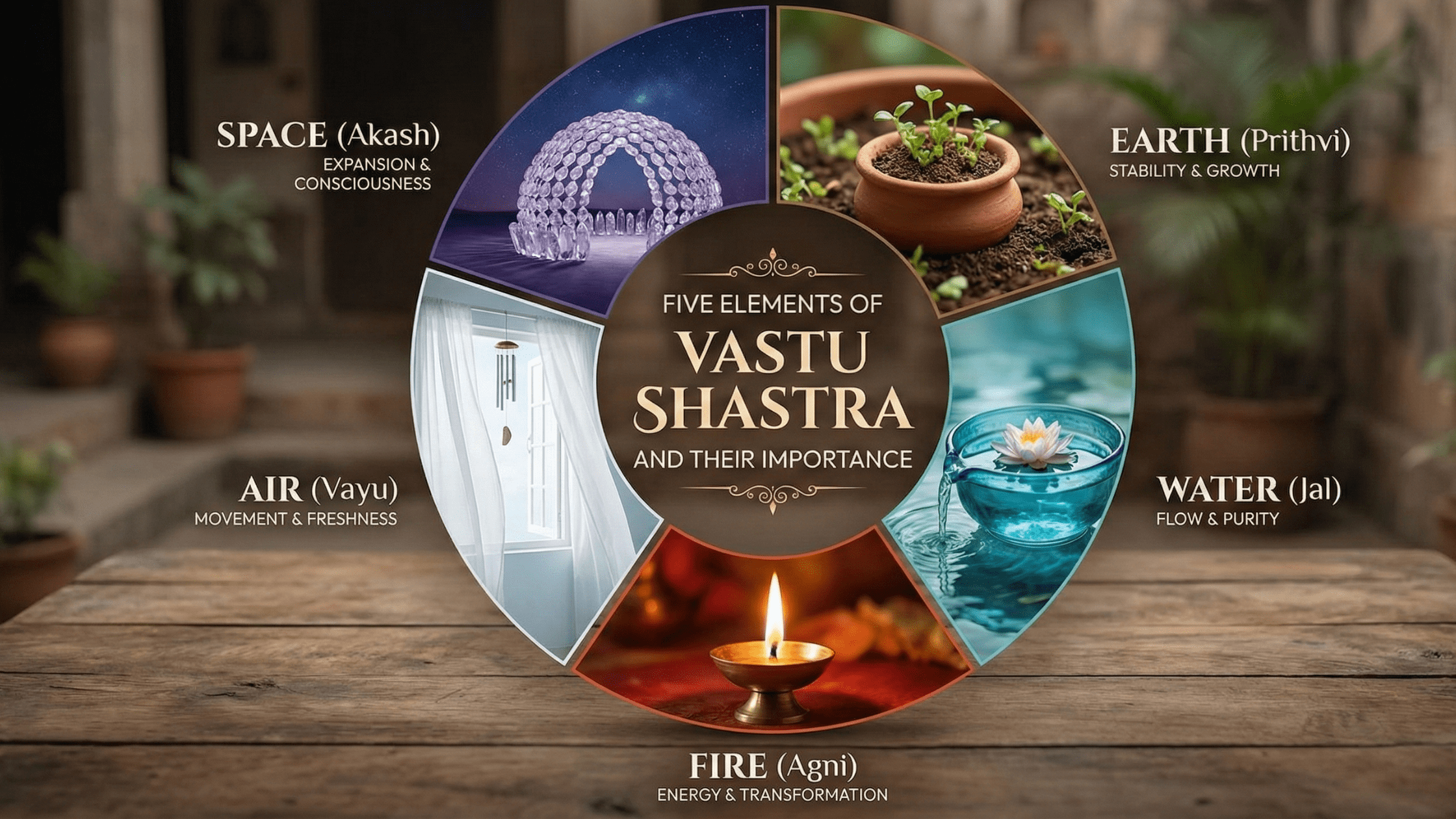
The Five Elements (Pancha Bhoota)
Every aspect of Vastu revolves around the five elements, or Pancha Bhoota. These form the building blocks of both the universe and our own existence:
- Earth (Prithvi) – Represents stability and support. The orientation and foundation of your building are influenced by this element.
- Water (Jal) – Symbolizes flow, prosperity, and emotion. The placement of water sources like wells, tanks, or bathrooms is crucial.
- Fire (Agni) – Stands for energy, transformation, and passion. The kitchen, lights, and electrical appliances fall under this element.
- Air (Vayu) – Associated with movement, freshness, and communication. Ventilation, windows, and open spaces are key here.
- Space (Akasha) – Denotes expansion and peace. This is the most subtle element, representing the flow of energy and cosmic connection.
When these five forces are balanced, the environment supports physical health, emotional well-being, and spiritual growth. An imbalance — such as placing a kitchen (fire) in the wrong direction — can disturb this harmony.
The Importance of Directions
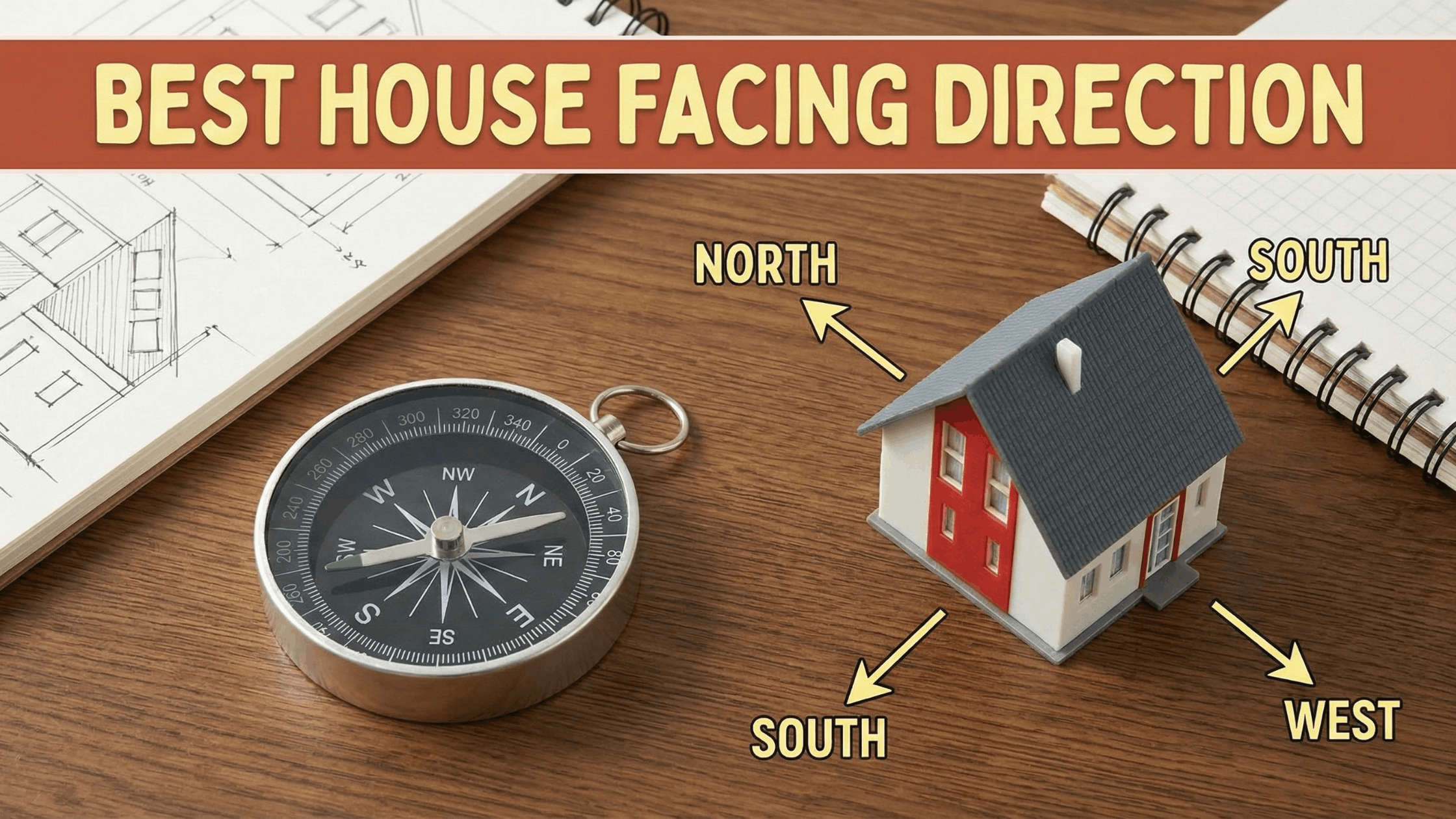
According to Vastu, the Earth’s magnetic field and the Sun’s path influence energy differently in each direction:
- East – Associated with the rising Sun; symbolizes growth, vitality, and new beginnings. Ideal for entrances or prayer rooms.
- North – Linked to wealth, opportunities, and prosperity. Perfect for offices or study areas.
- South – Represents strength, stability, and discipline. Bedrooms or storage areas work well here.
- West – Encourages creativity, learning, and introspection. Great for dining areas or children’s rooms.
Each direction carries a distinct vibration. By placing rooms, furniture, and doors in alignment with these natural energies, you create a space that supports your intentions and goals.
Energy Flow and Balance
Vastu emphasizes the uninterrupted flow of energy within a space. Imagine energy as water: when it moves freely, it nourishes everything it touches. But if it’s blocked — by clutter, poor design, or misalignment — stagnation and stress can occur.
Obstructions such as sharp corners, improper lighting, or irregular room shapes can disturb the energy field, creating subtle discomforts like anxiety, financial obstacles, or strained relationships.
By ensuring balanced proportions, natural light, and proper orientation, Vastu creates an environment where energy circulates freely and positively.
Core Principles of Vastu Shastra
Vastu Purusha Mandala
At the heart of Vastu design lies the Vastu Purusha Mandala, an energy grid symbolizing the cosmic being — Vastu Purusha — whose body represents the layout of a building. Each direction of his body is ruled by specific deities associated with different aspects of life.
This sacred grid is used to plan the placement of rooms, entrances, and even furniture, ensuring that divine energy flows harmoniously throughout the structure.
Shapes, Layouts, and Orientation
According to Vastu, square and rectangular layouts are ideal because they allow energy to distribute evenly. Irregularly shaped plots or houses often create imbalanced energy zones, which can lead to instability or emotional unrest.
Orientation also plays a major role — aligning a building to cardinal directions ensures that sunlight, wind, and magnetic fields interact beneficially with the structure.
Scientific Logic Behind Vastu Shastra
While rooted in spirituality, Vastu Shastra also aligns with modern scientific principles. Here’s how:
- Magnetic Field of Earth: Aligning structures with the Earth’s magnetic axis enhances natural energy flow.
- Sunlight Exposure: Vastu recommends east-facing entrances and windows to maximize early morning sunlight, which boosts vitamin D and mood.
- Air and Ventilation: Proper air circulation reduces humidity, mold, and bacteria, improving overall health.
- Spatial Psychology: Open layouts and symmetry reduce stress and enhance focus — principles now supported by modern environmental psychology.
In short, Vastu merges environmental science with intuitive design — long before these concepts had formal names.
Benefits of Following Vastu Shastra
A properly designed Vastu space offers countless tangible and intangible benefits:
- Enhanced mental peace: Balanced spaces reduce stress and anxiety.
- Better physical health: Good ventilation and natural light improve sleep and immunity.
- Financial growth: Spaces aligned with prosperity zones attract new opportunities.
- Harmonious relationships: A positive environment nurtures love, understanding, and cooperation.
- Increased productivity: Balanced energy enhances focus, creativity, and motivation.
It’s not about superstition — it’s about creating an atmosphere that naturally supports your ambitions and emotional well-being.
Vastu Shastra for Homes
Your home reflects your inner world. Vastu provides simple yet powerful guidelines to design a living space that radiates peace and abundance:
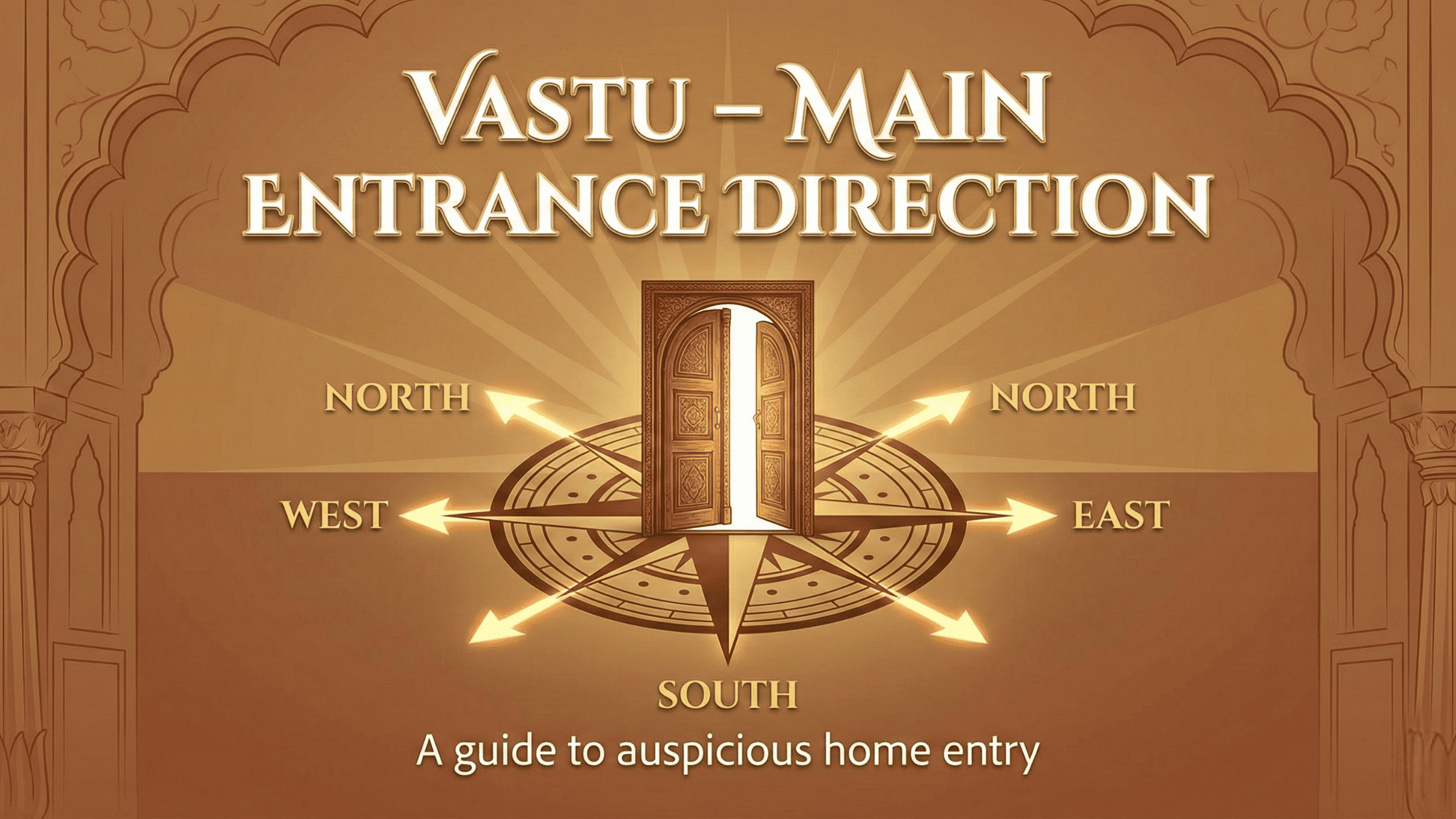
- Entrance: Prefer east or north-facing entrances to invite positivity.
- Living Room: Should be clutter-free and well-lit, ideally in the north or east zone.
- Kitchen: Best placed in the southeast (the Agni corner) to balance fire energy.
- Bedroom: Southwest bedrooms enhance rest and stability in relationships.
- Bathroom: Should be located in the northwest or southeast to maintain hygiene and flow.
Small corrections — like mirrors, lighting, or rearranging furniture — can create noticeable energetic shifts.
Vastu Shastra for Offices & Businesses
In the business world, energy alignment can mean the difference between success and stagnation. A Vastu-optimized office promotes confidence, productivity, and teamwork:
- The main entrance should face north or east to attract prosperity.
- Owner’s cabin in the southwest ensures authority and clear decision-making.
- Employees should face north or east while working to enhance concentration.
- Cash counters and safes should open toward the north for wealth flow.
Many leading corporations in India and abroad incorporate Vastu principles to improve workplace harmony and performance.
Common Vastu Doshas and Remedies
Even if your home or office isn’t built according to Vastu, it’s possible to correct imbalances without demolition.
Common Vastu defects (doshas) include blocked entrances, misplaced kitchens, or irregular plot shapes.
Simple remedies include:
- Using mirrors to redirect energy.
- Placing plants or crystals in weak energy zones.
- Rearranging furniture to open blocked pathways.
- Using specific colors, lights, or symbols to harmonize energy.
These subtle adjustments can make a major difference in the energy you experience daily.
Myths and Facts About Vastu Shastra
Myth 1: Vastu is superstition.
Fact: It’s based on natural principles of energy, direction, and environmental balance.
Myth 2: Vastu changes your destiny.
Fact: It doesn’t replace effort — it creates an environment that supports your actions.
Myth 3: Vastu only applies to Hindus.
Fact: Vastu is universal — its laws of energy and geometry can be applied anywhere, regardless of faith or culture.
Frequently Asked Questions (FAQs)
1. What is Vastu Shastra and how does it affect daily life?
It harmonizes your surroundings with nature’s forces to support health, peace, and prosperity.
2. Can Vastu principles be applied to apartments or rented spaces?
Yes, through small non-structural adjustments like furniture placement, lighting, or color.
3. Is there scientific evidence behind Vastu?
While not formally proven as a modern science, Vastu aligns with environmental, magnetic, and psychological principles.
4. Can Vastu ensure success?
No, but it creates a supportive atmosphere that helps you achieve your goals more effectively.
5. Is Vastu still relevant in modern architecture?
Absolutely. Many contemporary architects blend Vastu principles with minimalist, sustainable design.
Conclusion
Understanding what Vastu Shastra is and how it works reveals that it’s not a superstition — it’s a sophisticated ancient science of living in tune with the universe. By applying its principles, you can transform any space into a sanctuary of balance, creativity, and growth.
Rooted in timeless wisdom yet perfectly suited for modern life, Vastu Shastra reminds us that our environment shapes our destiny — and when we live in harmony with nature, everything else aligns beautifully.