What Is Astrology?
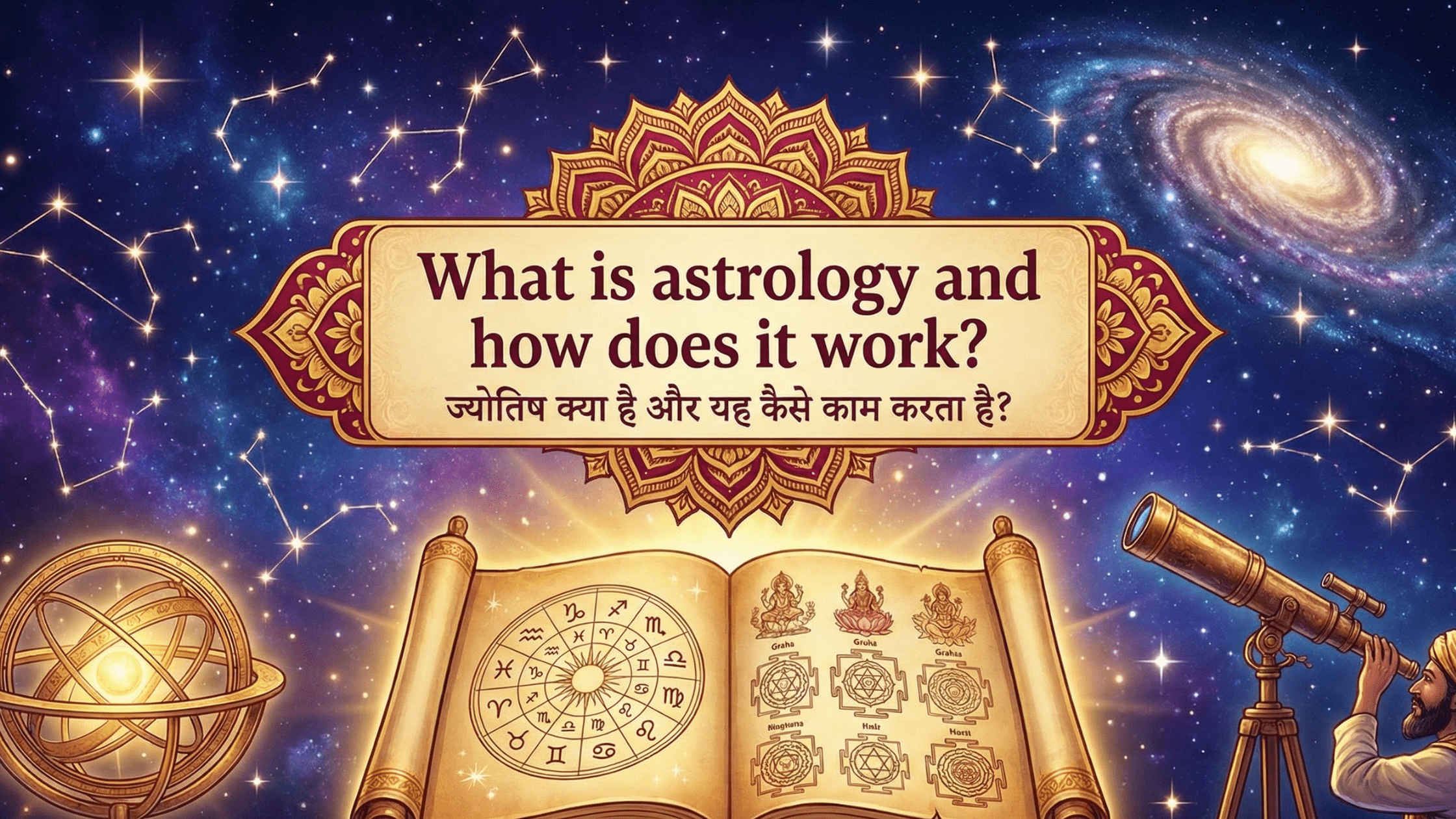
Astrology is the symbolic study of how celestial bodies like the Sun, Moon, and planets reflect patterns in human behavior, personality traits, and life experiences.
At its heart, astrology believes that the universe works as a connected system. The position of planets at the time of your birth creates a unique cosmic imprint, often referred to as your birth chart or natal chart.
Astrology does not claim planets force events to happen. Instead, it interprets planetary movements as energetic indicators that help people understand timing, emotions, and tendencies.
How Astrology Works: A Simple Explanation
To clearly answer what is astrology and how does it work, here is a beginner-friendly breakdown:
- Every planet represents a life theme (love, action, growth, discipline)
- Zodiac signs describe how that energy behaves
- Houses show where that energy appears in life
- Planetary movements create cycles that reflect change
Astrologers analyze these patterns to offer insight—not fixed predictions.
The History and Origins of Astrology
Astrology originated over 4,000 years ago in ancient Mesopotamia. Early civilizations tracked the skies to understand seasons and natural cycles.
Astrology later evolved through:
- Babylonian zodiac systems
- Ancient Egyptian star worship
- Greek philosophical structure
- Indian Vedic astrology
Across cultures, astrology was used for agriculture, medicine, leadership decisions, and spiritual guidance.
Why Astrology Still Matters Today
Despite modern science, astrology remains popular because it:
- Encourages self-reflection
- Helps people understand emotional patterns
- Offers guidance during uncertainty
- Provides symbolic meaning
In a fast-moving world, astrology helps people slow down and reflect.
Zodiac Signs and Their Meaning
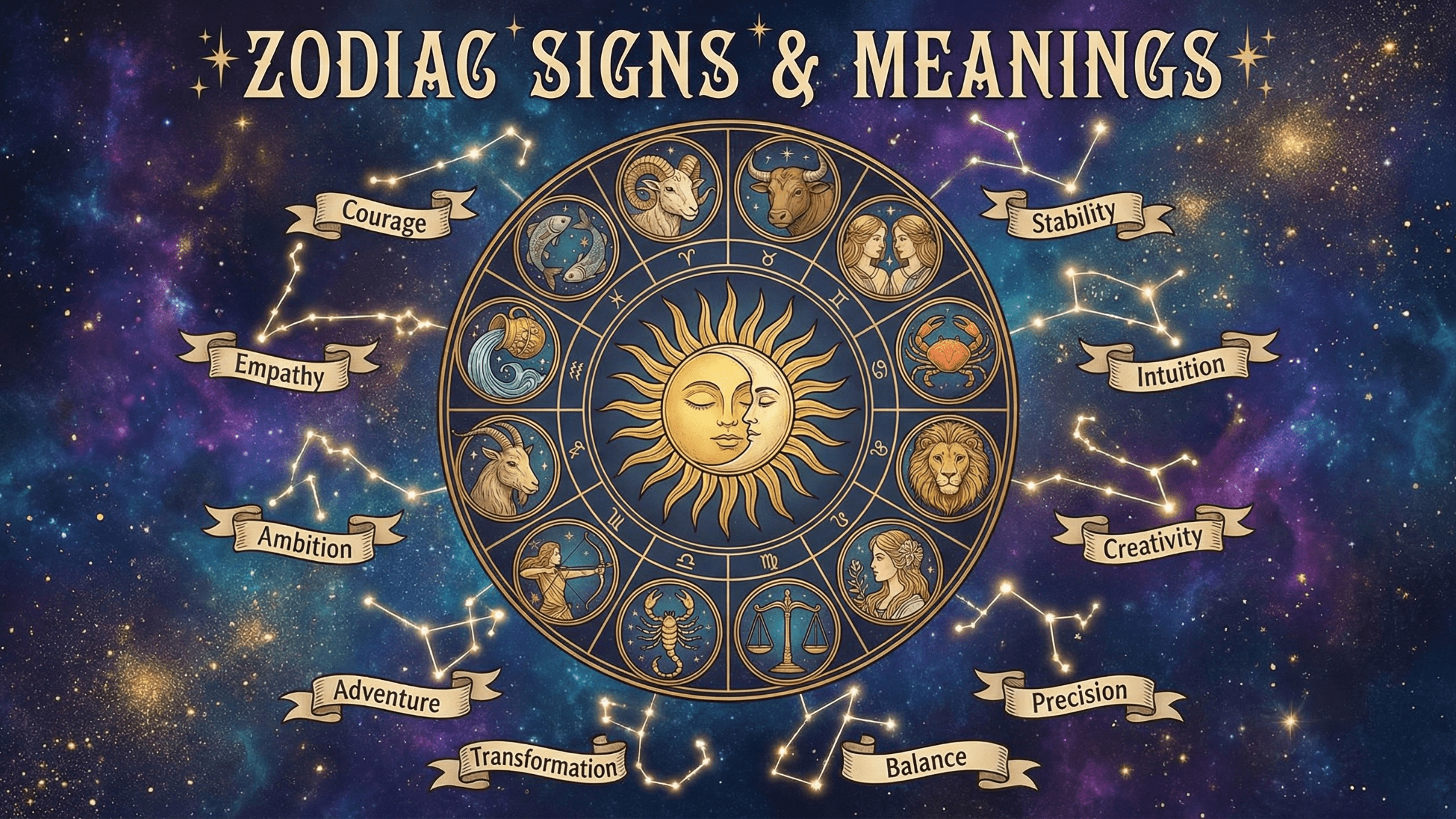
There are 12 zodiac signs, each linked to personality traits and emotional tendencies.
Zodiac Sign | Core Traits |
| Aries | Courageous, energetic |
| Taurus | Grounded, loyal |
| Gemini | Curious, adaptable |
| Cancer | Emotional, protective |
| Leo | Confident, expressive |
| Virgo | Analytical, helpful |
| Libra | Fair-minded, charming |
| Scorpio | Intense, transformative |
| Sagittarius | Adventurous, wise |
| Capricorn | Disciplined, ambitious |
| Aquarius | Innovative, independent |
| Pisces | Intuitive, compassionate |
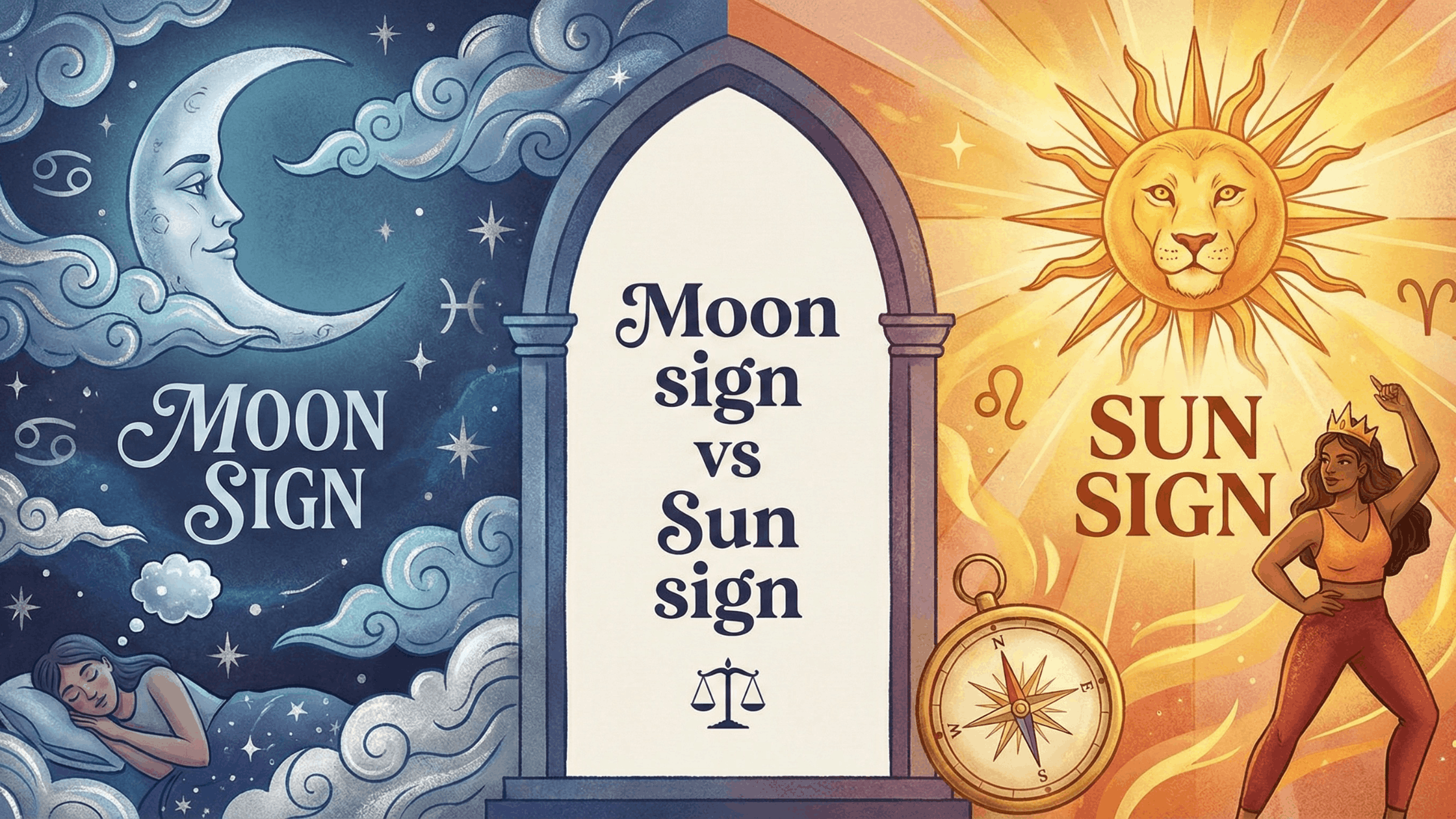
Your Sun sign is only one part of astrology—it represents your core identity.
The Role of Planets in Astrology
Each planet governs a specific area of life:
- Sun – Identity and purpose
- Moon – Emotions and instincts
- Mercury – Communication and thinking
- Venus – Love and beauty
- Mars – Action and desire
- Jupiter – Growth and luck
- Saturn – Responsibility and lessons
Outer planets influence long-term and generational changes.
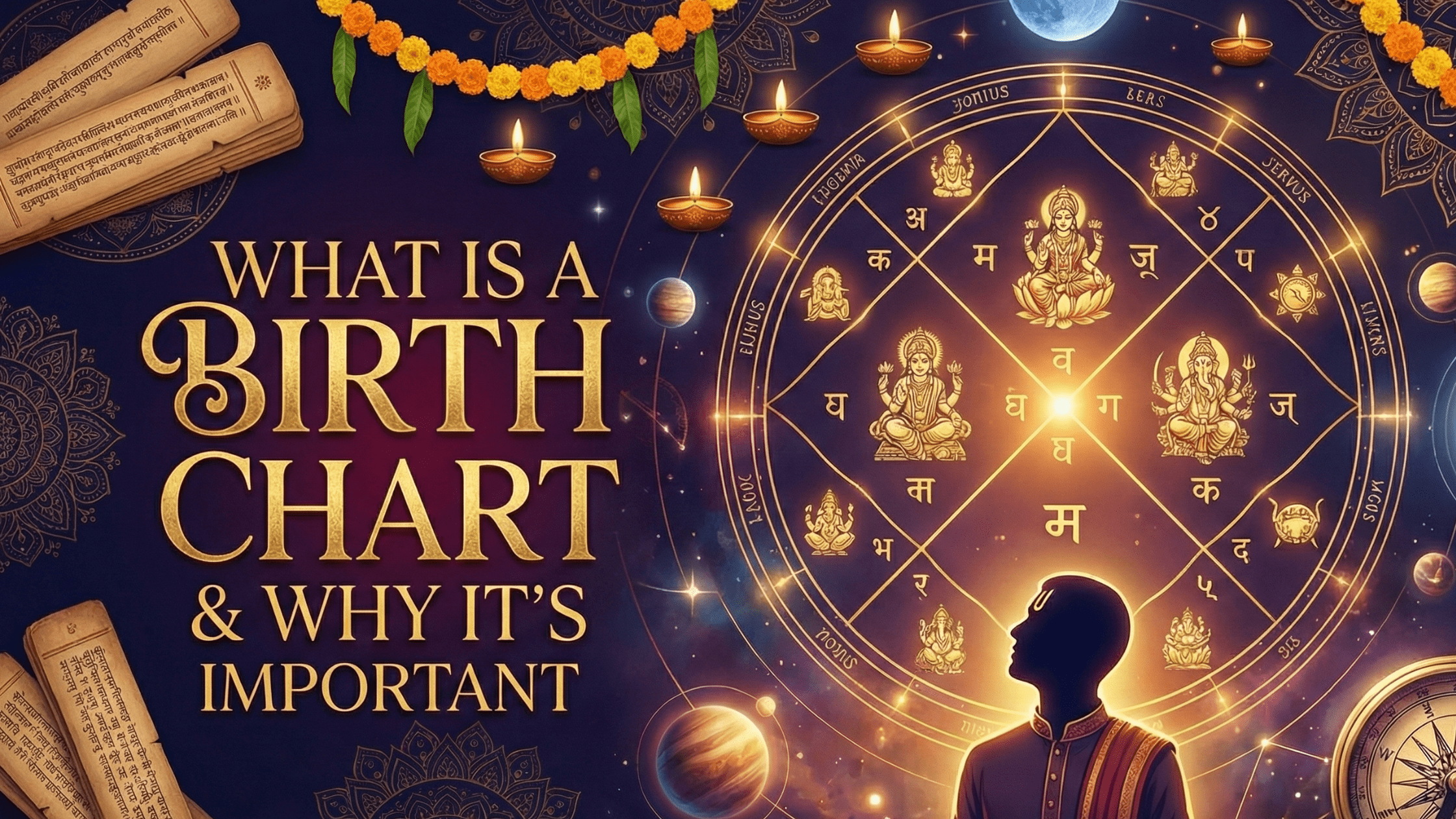
What Is a Birth Chart?
A birth chart is a map of the sky at the exact moment of your birth, calculated using:
- Date of birth
- Time of birth
- Place of birth
It reveals:
- Planet placements
- Zodiac signs
- Astrological houses
This chart explains why people with the same zodiac sign can be very different.
Astrological Houses Explained
Astrology includes 12 houses, each representing an area of life:
- Career
- Relationships
- Family
- Health
- Money
- Spirituality
The house a planet falls in shows where its influence is strongest.
Types of Astrology Systems
Popular astrology systems include:
- Western astrology – personality-focused
- Vedic astrology – karma and destiny
- Chinese astrology – animal-year cycles
- Horary astrology – question-based answers
Each system uses the same sky but interprets it differently.
Astrology vs Astronomy
| Astrology | Astronomy |
| Symbolic and interpretive | Scientific and measurable |
| Focus on human meaning | Focus on physical universe |
| Used for insight | Used for research |
Both study celestial bodies but with different purposes.
Is Astrology Scientific?
Astrology is not classified as modern science because it does not rely on experimental testing. Instead, it functions as a symbolic and interpretive system, similar to psychology or philosophy.
Many people value astrology for personal insight rather than scientific proof.
Astrology in Daily Life
People use astrology to:
- Understand relationships
- Choose better timing
- Improve emotional awareness
- Support personal growth
Astrology promotes conscious decision-making
Benefits of Learning Astrology
Learning astrology can help you:
- Understand yourself deeply
- Recognize repeating life patterns
- Improve communication
- Feel more aligned with natural cycles
Common Astrology Myths
❌ Astrology predicts exact events
❌ Everyone with the same sign is the same
❌ Astrology is just superstition
Truth: Astrology is layered, symbolic, and personal.
FAQs About Astrology
1. What is astrology in simple words?
Astrology studies how planetary positions relate to personality and life patterns.
2. How does astrology work for beginners?
By reading a birth chart that shows planetary placements at birth.
3. Can astrology predict the future?
Astrology shows tendencies and timing, not fixed outcomes.
4. Is astrology real?
Astrology is meaningful to many, though not scientifically proven.
5. Why are horoscopes popular?
They offer relatable insights and emotional guidance.
6. Is astrology a religion?
No, astrology is a belief system, not a religion.
Conclusion
Understanding what is astrology and how does it work allows you to explore life through a deeper, symbolic lens. Astrology remains relevant because it helps people connect patterns, emotions, and purpose.
Whether you are a beginner or an enthusiast, astrology can be a powerful tool for self-awareness and growth.