
Introduction to Vastu Shastra
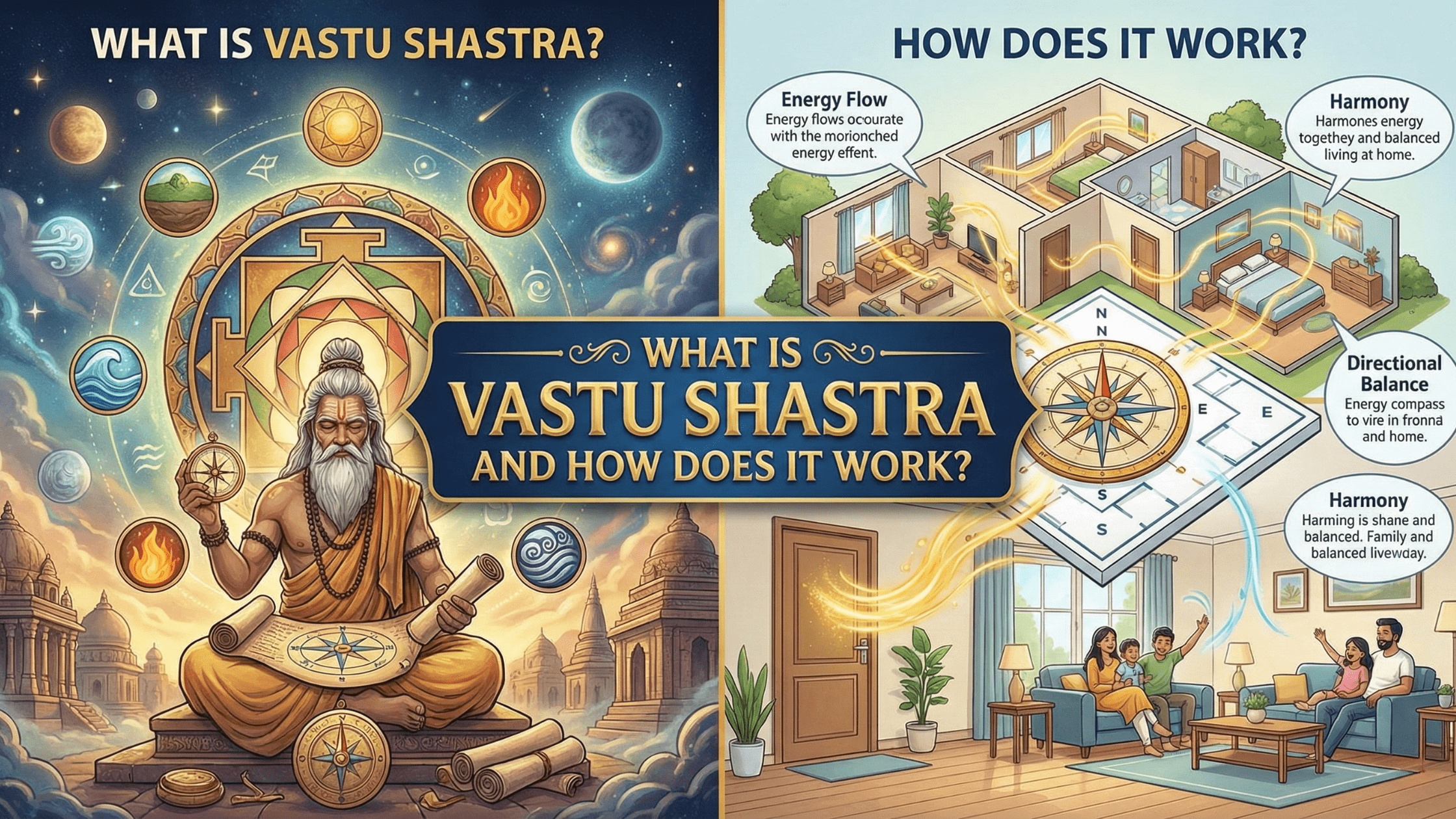
What are the basic principles of Vastu Shastra, and why do people across India and the world still follow them today? Vastu Shastra is an ancient Indian architectural science that focuses on creating harmony between human life and natural forces. Rooted in the Vedas, it guides how buildings should be designed, constructed, and organized to ensure balance, peace, and prosperity.
The core belief of Vastu Shastra is simple: when we align our living and working spaces with nature, life flows more smoothly. Whether you are building a new house, buying a flat, or rearranging your office, understanding these principles can help improve well-being, relationships, and financial stability.
This guide by Cosmogain.com explains the basic principles of Vastu Shastra in a clear, beginner-friendly way.
The Meaning and Philosophy Behind Vastu Shastra
Vastu Shastra comes from two Sanskrit words:
- Vastu – dwelling or building
- Shastra – science or knowledge
Together, they mean the “science of architecture.” But Vastu is more than construction rules—it is a philosophy that connects humans, nature, and cosmic energy.
The basic idea is that every place has energy. If that energy flows freely and positively, the people living there experience better health, peace of mind, and success.
Why Vastu Shastra Is Still Relevant Today
Many people think Vastu Shastra is outdated, but its principles are deeply connected to natural laws like sunlight, wind direction, gravity, and magnetic fields. Modern architects and interior designers often use these principles—sometimes unknowingly—to create comfortable and efficient spaces.
Benefits of following Vastu principles include:
- Improved mental and physical health
- Better focus and productivity
- Financial growth and stability
- Harmonious family relationships
The Five Elements (Pancha Mahabhuta)
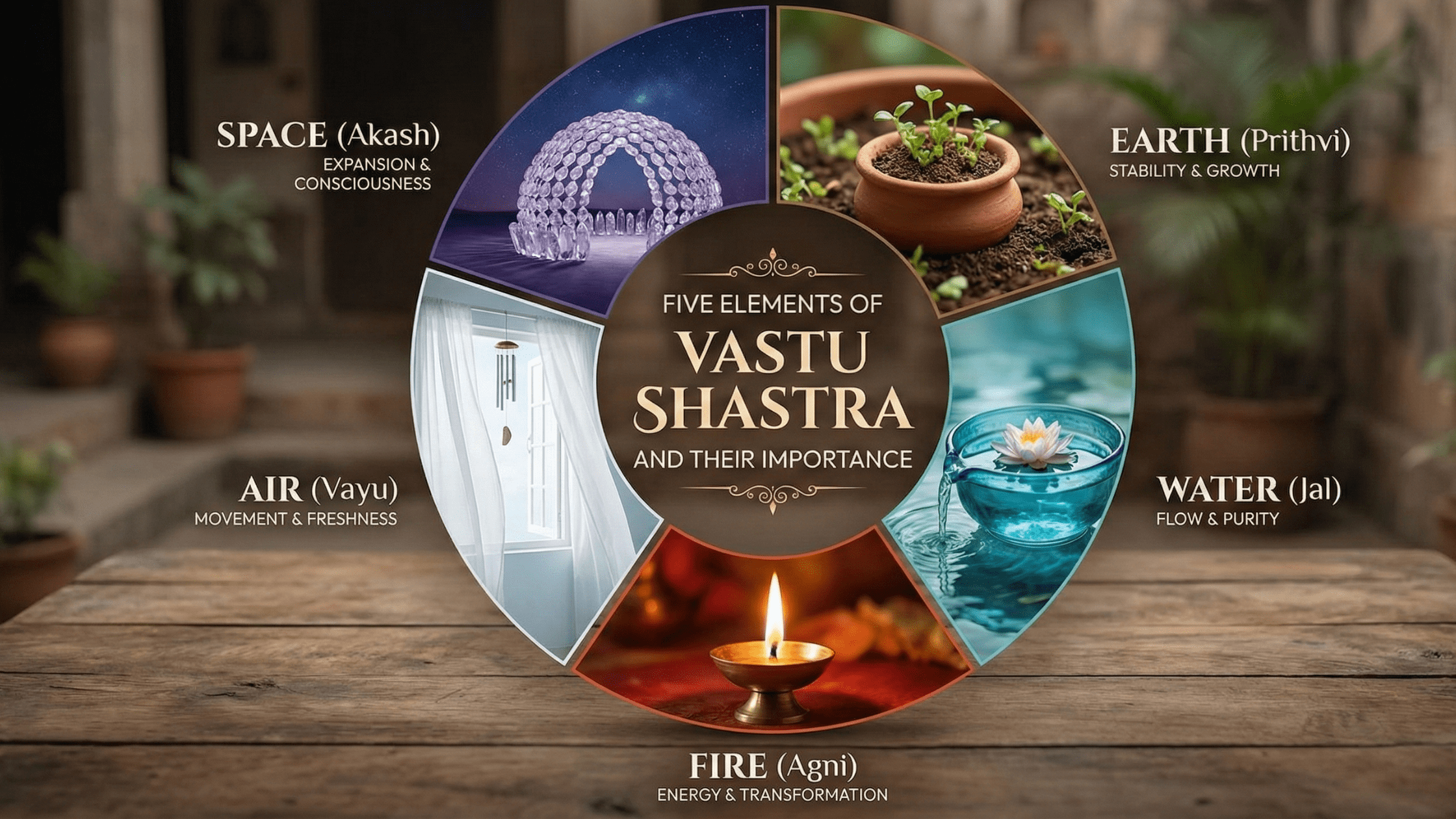
One of the most important answers to what are the basic principles of Vastu Shastra lies in the five elements of nature.
Earth (Bhumi)
Represents stability and strength. It influences patience, support, and physical health.
Water (Jal)
Symbolizes flow and clarity. Proper water placement enhances wealth and emotional balance.
Fire (Agni)
Stands for energy and transformation. Fire zones affect motivation, digestion, and confidence.
Air (Vayu)
Controls movement and freshness. Good airflow improves mental clarity and health.
Space (Akash)
Represents openness and expansion. Clean, clutter-free spaces promote positivity.
Balancing these five elements is central to Vastu Shastra.
Importance of Directions in Vastu Shastra
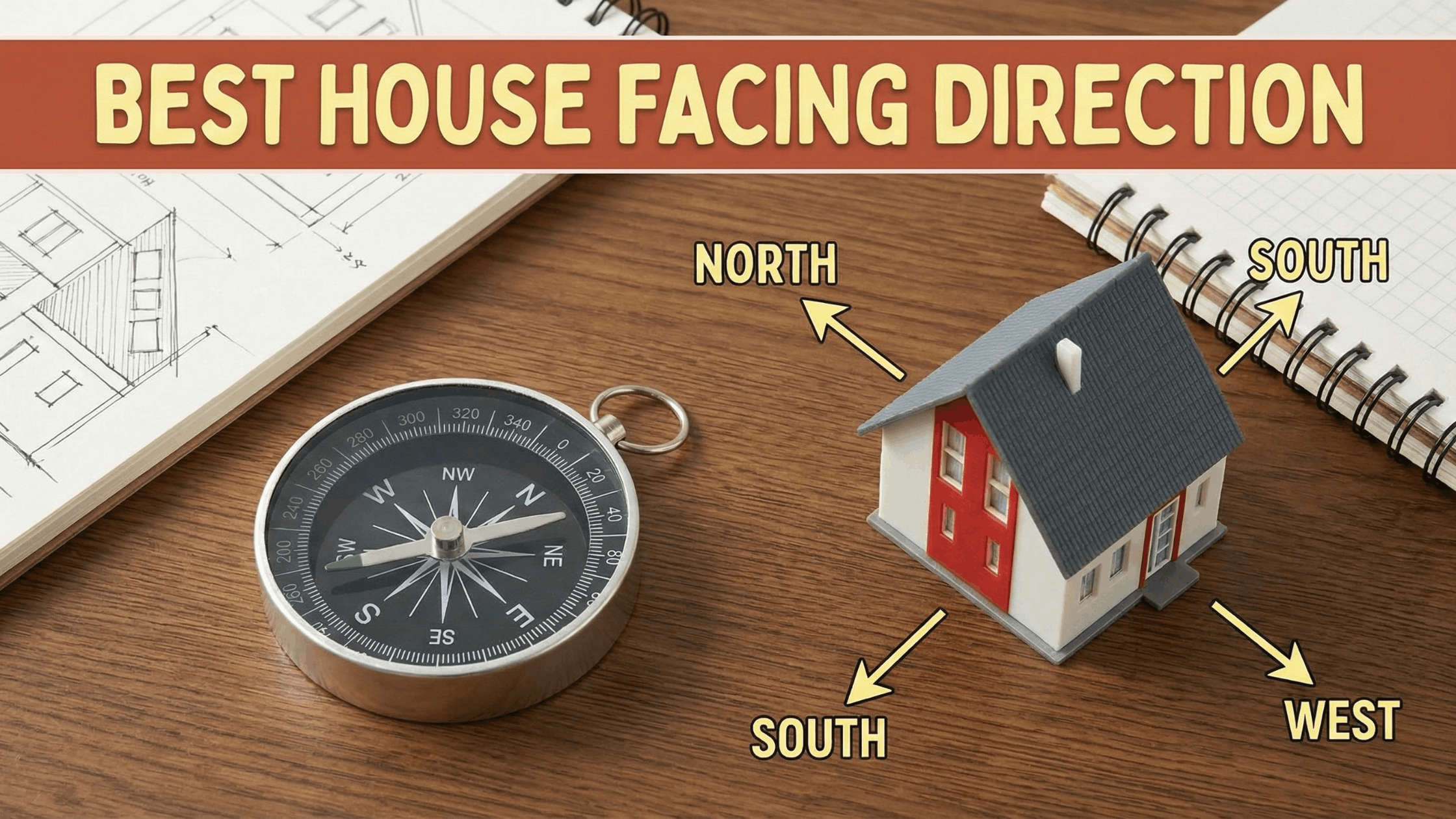
Directions play a key role in Vastu planning because each direction is associated with specific energies.
North
Linked to wealth and career growth. Ideal for offices, lockers, and study areas.
East
Represents health and new beginnings. Best for entrances, windows, and prayer rooms.
South
Connected to strength and fame. Suitable for bedrooms when planned carefully.
West
Associated with gains and stability. Ideal for dining rooms and children’s rooms.
The Vastu Purusha Concept
According to Vastu Shastra, a cosmic energy force called Vastu Purusha lies within every plot or building. The layout of a structure should respect this energy by keeping certain areas light, open, and balanced.
This concept explains why open spaces, courtyards, and proper room placement are emphasized in traditional designs.
Basic Principles of Vastu Shastra for Homes
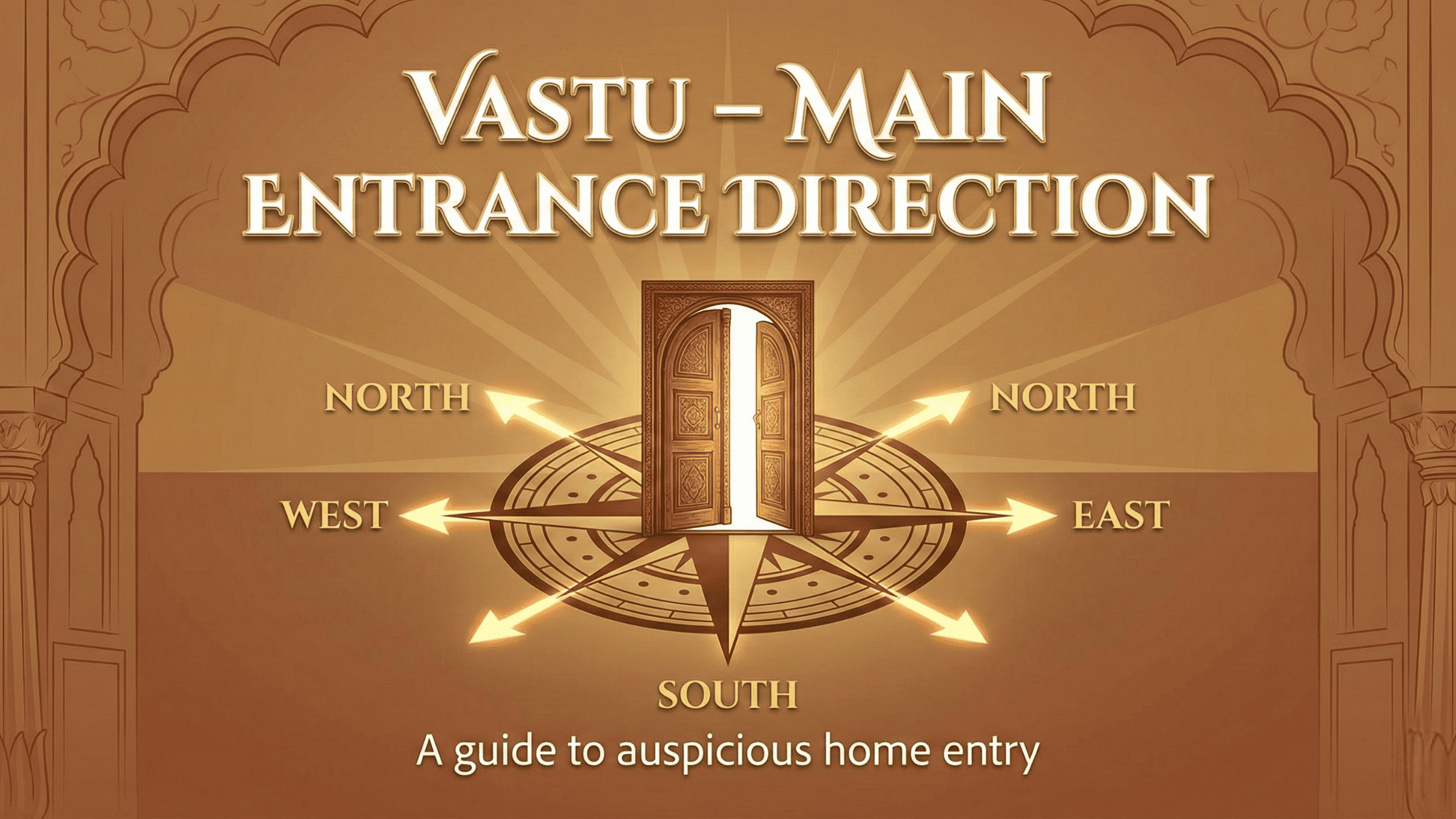
Main Entrance
The entrance is considered the “mouth of energy.” A well-lit, clean, and properly placed entrance attracts positive vibrations.
Living Room
Should be spacious and clutter-free to allow energy to circulate smoothly.
Kitchen Placement
Fire and water should never clash. Kitchens are best placed in fire-dominant zones with proper ventilation.
Bedrooms
Bedrooms should promote rest and emotional balance. Bed placement and direction matter greatly.
Bathrooms and Toilets
Improper placement can disturb energy flow. Cleanliness and ventilation are essential.
Vastu Shastra for Offices and Workspaces
Vastu is not limited to homes. Offices designed using Vastu principles often experience:
- Increased productivity
- Better teamwork
- Financial growth
Key tips include correct desk orientation, balanced lighting, and proper placement of electronic equipment.
Common Vastu Myths and Misunderstandings
- Myth: Vastu is only for religious people
Truth: It is a practical system based on natural forces. - Myth: A single defect can ruin everything
Truth: Minor imbalances can often be corrected easily. - Myth: Vastu means superstition
Truth: It combines science, observation, and tradition.
Simple Vastu Tips for Beginners
- Keep your home clutter-free
- Allow natural light and air inside
- Fix broken doors, taps, and switches
- Avoid sleeping under heavy beams
- Use soothing colors for walls
These small steps can bring noticeable improvements.
FAQs: What Are the Basic Principles of Vastu Shastra?
1. What are the basic principles of Vastu Shastra?
They include balance of five elements, proper direction usage, free energy flow, and harmony with nature.
2. Is Vastu Shastra only for houses?
No, it applies to homes, offices, shops, factories, and even land selection.
3. Can Vastu defects be corrected without demolition?
Yes, many Vastu issues can be corrected using layout changes, colors, and natural remedies.
4. Does Vastu Shastra really work?
Many people experience positive changes when Vastu principles are applied thoughtfully.
5. Is Vastu Shastra scientifically proven?
While ancient, many principles align with modern environmental and architectural science.
6. Can beginners follow Vastu without an expert?
Yes, basic Vastu principles are simple and can be applied easily with awareness.
Conclusion
Understanding what are the basic principles of Vastu Shastra helps us create spaces that support happiness, health, and success. Vastu is not about fear or rigid rules—it is about balance, awareness, and living in harmony with nature.
By applying even a few basic principles, you can transform your home or workplace into a more positive and peaceful environment.